
Estate Planning

Planning is not just paperwork. It is how families protect their home, children, savings, and future peace of mind.

Estate planning, wills, trusts, and probate guidance for California families who want clear answers, thoughtful protection, and lasting peace of mind.





Planning is not just paperwork. It is how families protect their home, children, savings, and future peace of mind.

A will says what you want. A trust helps your family avoid court, delays, and added costs.

When grief is already heavy, probate should not feel impossible. We give families a clear path forward.

After a loved one passes, the trust still needs to be handled correctly. We help families take the right next steps.

Do not wait for a crisis to decide who can help you. Put the right people in place now.

When your child turns 18, you may no longer have automatic access in an emergency. These documents create a safety net.
Every family's situation is different. Whether you're wondering about wills, trusts, or what happens if you don't plan — a quick conversation can bring clarity. No pressure. Just honest answers.
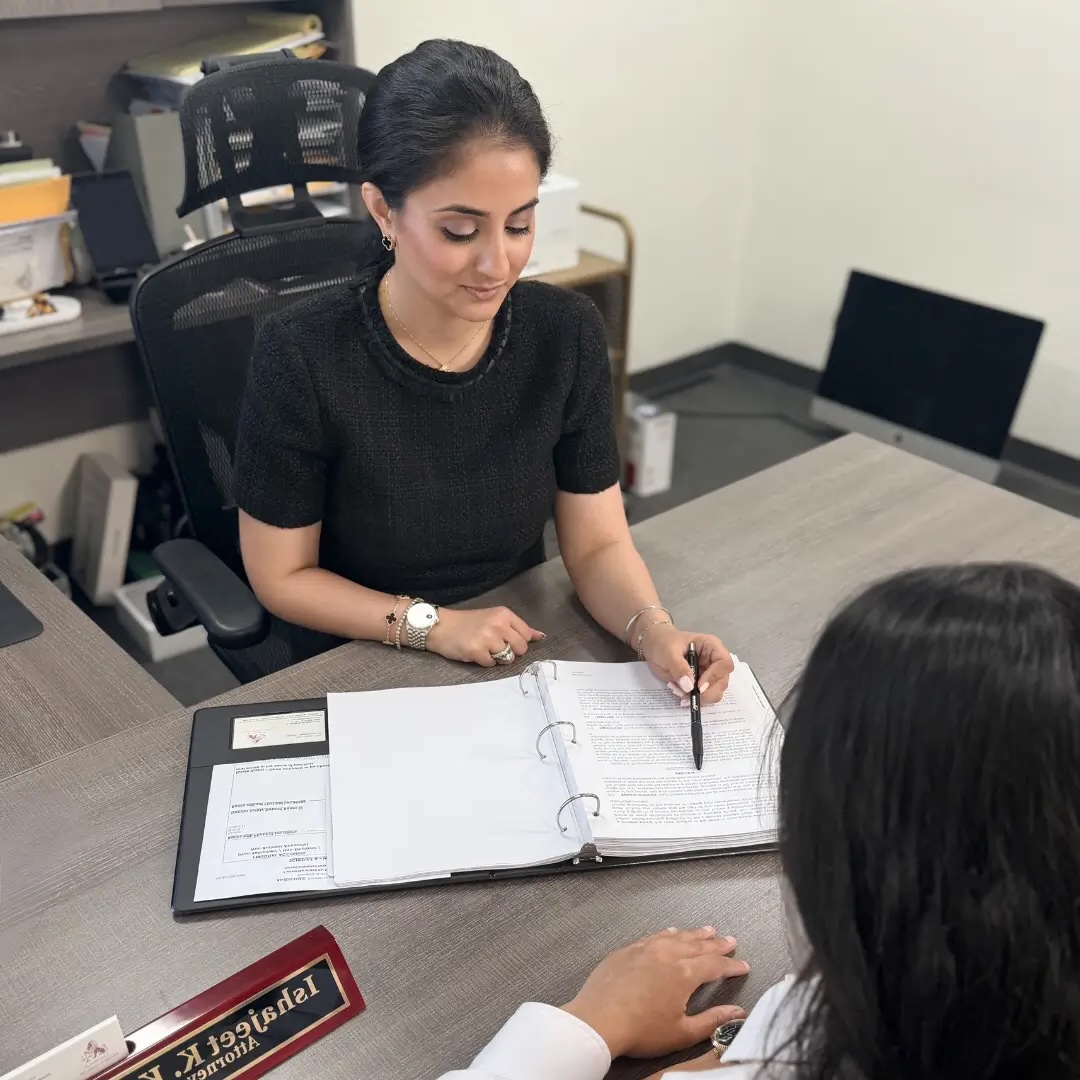
“A Law Firm Built Around Your Family's Peace of Mind”
ISHA SINGH — FOUNDING ATTORNEY
TESTIMONIAL
“Isha made the entire estate planning process feel clear and manageable. She took the time to understand our family's unique needs and explained everything in plain language.”
— Sarah M.
A clear, thoughtful approach — no guesswork, no confusing jargon.
Explore the full processWe collect key details about your family, assets, and goals to ensure your matter is handled as efficiently as possible.
Your estate plan is designed during this meeting. We answer your questions and give you peace of mind about the path forward.
Depending on your location, this meeting can be in person or virtual. Your documents are presented, reviewed, and executed.
We provide ongoing support to our clients. Your plan stays current as your life and laws change.

15+
Years of Experience
1,000+
Families Served
5.0
Client Rating
From wills and trusts to probate and powers of attorney, Law Office of Isha Singh provides direct attorney access with flat-fee clarity so you can plan with confidence.
Schedule a Free ConsultationWho We Are
Isha Singh founded this firm to give California families direct access to a senior-level attorney who knows their file, understands their story, and makes hard legal decisions feel clear and manageable.
With flat-fee clarity and boutique service, families can plan with confidence knowing they have thoughtful guidance from start to finish.
Whether you are creating a will, setting up a trust, planning for your children, or navigating probate after a loss, Law Office of Isha Singh helps make each step feel less overwhelming.
The focus is simple: protect your loved ones, preserve what you've built, and give your family clear direction when it matters most.
Experience
Senior-Level Care
Work directly with a Super Lawyers Rising Star who handles every file with attention, clarity, and care.
Clarity
Flat-Fee Pricing
Know your costs upfront with transparent pricing designed for families, not surprise bills.
Protection
Family-First Approach
Every plan is built around your children, your assets, and the peace of mind your family deserves.
Our Team
Founder & Principal Attorney
Super Lawyers Rising Star (2022–2026) and Best Lawyers: Ones to Watch.
Executive Assistant
Keeps the firm running smoothly and ensures every client feels supported.
Legal Administrator
Manages case logistics and document flow with precision.
Blog
Clear guidance on wills, trusts, probate, and family planning.

Sep 29, 2026
Estate Planning is not only about what happens after death. A complete plan should also address what happens if an illness, accident, or other condition leaves you unable to manage your finances or make healthcare decisions.

Sep 28, 2026
An Irrevocable Trust is designed to be difficult to change, but "irrevocable" does not always mean that every provision is permanently locked. Under California Law, an Irrevocable Trust may sometimes be modified or terminated through beneficiary and settlor consent, a court petition based on changed circumstances, or other legal mechanisms that apply to particular Trusts.

We'd love to hear from you!