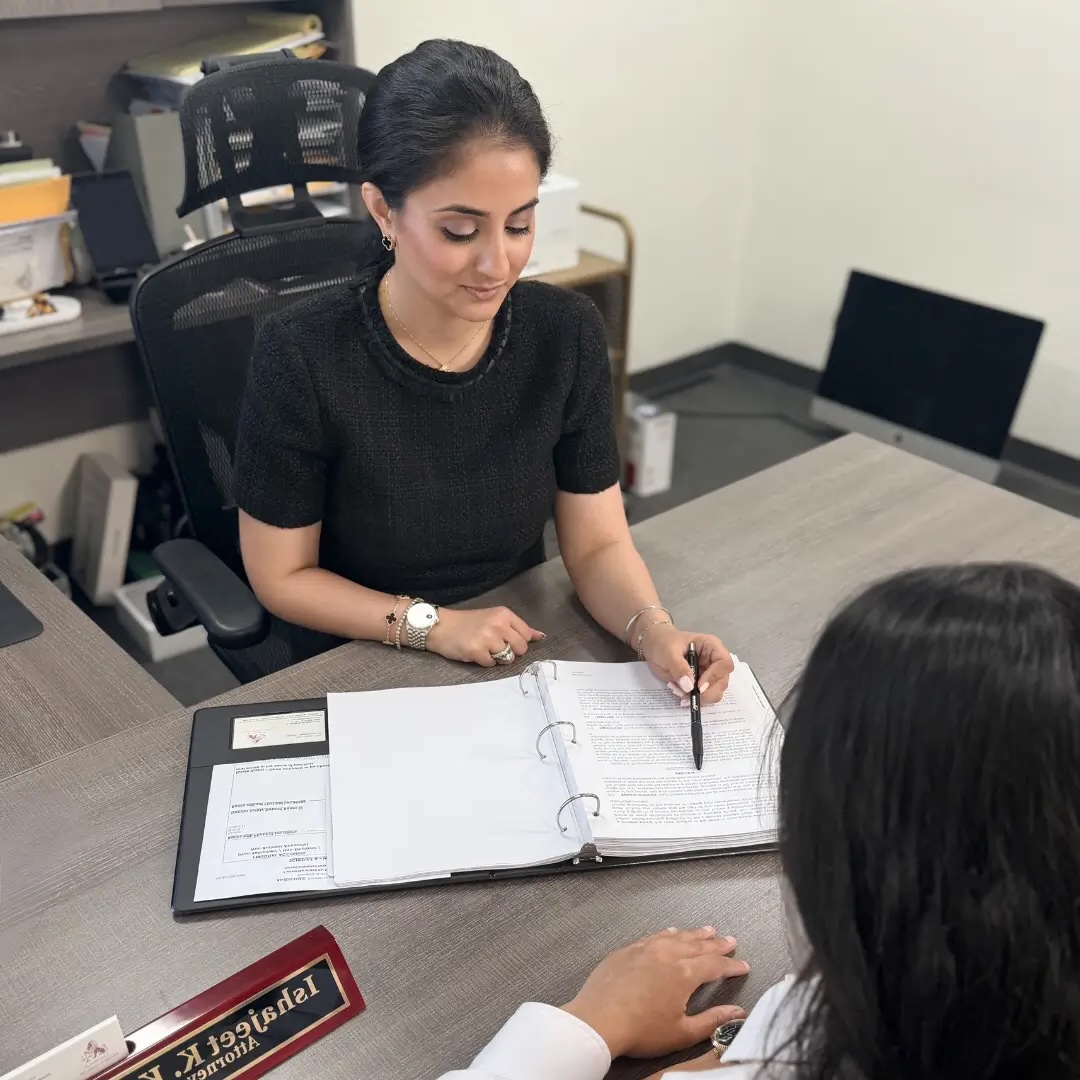

California Estate Planning Guide for Families

Estate Planning is the process of creating legal documents that explain who should manage your assets, who should receive your property, and who can make important decisions for you if you become unable to make them yourself.

For many California families, Estate Planning is not just about money. It is about protecting loved ones, avoiding unnecessary court delays, naming Trusted decision-makers, and making sure your wishes are clearly documented.

Whether you own a home in California, have children, care for aging parents, or simply want your family to avoid confusion in the future, an Estate Plan can give you and your loved ones greater peace of mind.

What Is Estate Planning?

Estate Planning is the legal process of preparing for what happens to your property, finances, healthcare decisions, and family responsibilities if you pass away or become incapacitated.

A complete Estate Plan can answer important questions such as:

  • Who should receive your property after your death?
  • Who should manage your finances if you cannot?
  • Who should make healthcare decisions for you?
  • Who should care for your minor children?
  • How can your family avoid unnecessary Probate court delays?
  • How should your assets be managed for your beneficiaries?

In simple terms, Estate Planning allows you to stay in control of your wishes instead of leaving major decisions to the court or California default rules.

What Makes Estate Planning in California Different?

Estate Planning in California involves unique legal considerations that may not apply in other states. California families often need to account for community property rules, Probate procedures, Living Trust Planning, and real Estate ownership. Because California Probate can be time-consuming and expensive, many homeowners choose trust-based Estate Planning strategies to help simplify asset transfers and reduce court involvement for their loved ones.

Families should also periodically review their Estate Plans to ensure documents remain consistent with current California Law and personal circumstances.

A California Estate Plan should be designed around your family’s unique goals, not just standard legal forms. Whether you own a home, have young children, are planning for retirement, or want to avoid Probate, Estate Planning in California should address both your current circumstances and future needs. Taking time to review your assets, beneficiary designations, and trusted decision-makers early can help create a more effective Estate Plan while reducing unnecessary legal complications for your loved ones.

What Is an Estate Plan?

An Estate Plan is the collection of legal documents and instructions created during the Estate Planning process.

Depending on your situation, an Estate Plan may include:

  • A Last Will and testament
  • A Revocable Living Trust
  • A durable Power of Attorney
  • An advance healthcare directive
  • HIPAA authorization
  • Beneficiary designations
  • Guardianship nominations for minor children
  • Trust funding instructions

Not every person needs the exact same documents. A young parent, a homeowner, a business owner, and a retired couple may all need different Estate Planning strategies.

That is why Estate Planning should be personalized to your family, assets, and goals.

Why Is Estate Planning Important?

Estate Planning is important because it gives your loved ones clear instructions during difficult moments.

Without an Estate Plan, your family may face confusion, delays, court involvement, or disagreements about your wishes. In California, some assets may need to go through Probate if they are not properly planned for.

An Estate Plan can help you:

  • Protect your loved ones
  • Decide who receives your assets
  • Avoid unnecessary Probate issues
  • Name trusted financial decision-makers
  • Name Trusted healthcare decision-makers
  • Plan for incapacity
  • Protect minor children
  • Reduce family conflict
  • Keep certain matters more private
  • Make asset transfers smoother after death

Estate Planning is not only for wealthy families. It is useful for anyone who wants to make life easier for the people they care about.

Who Needs Estate Planning?

Many people assume they do not need Estate Planning unless they are older or very wealthy. That is a common mistake.

You may need an Estate Plan if you:

  • Own a home
  • Have children
  • Are married
  • Are unmarried but in a committed relationship
  • Have a blended family
  • Own a business
  • Have retirement accounts or life insurance
  • Have savings or investment accounts
  • Want to avoid probate
  • Want to name guardians for minor children
  • Want someone you Trust to make medical decisions
  • Want someone you Trust to manage finances during incapacity

If you live in California and own real Estate, Estate Planning can be especially important because a properly structured plan may help your family avoid Probate and reduce delays after death.

Estate Planning for California Families

Estate Planning for families is about more than deciding who inherits property. Parents often use Estate Plans to name guardians for minor children, protect family assets, and provide instructions for future healthcare and financial decisions.

For many California families, a complete Estate Plan may include a Living Trust, Powers of Attorney, healthcare directives, and beneficiary planning. These tools work together to help reduce uncertainty and provide loved ones with clear guidance during difficult times.

Every California family has different priorities. Some families want to protect a home, while others focus on providing for children, avoiding Probate, or planning for incapacity. A personalized California Estate Plan should reflect your family’s current needs while remaining flexible enough to adapt as life circumstances change.

Family Estate Planning often changes as life changes. Marriage, divorce, welcoming children, purchasing a home, or growing your financial assets are all reasons to review your California Estate Plan. Rather than creating documents once and forgetting them, many California families benefit from regular Estate Plan reviews to ensure their Wills, Living Trusts, Powers of Attorney, and healthcare directives continue to reflect their wishes and comply with current California Law.

When Should You Start Estate Planning?

You should start Estate Planning as soon as you have people or property you want to protect.

Important times to create or update an Estate Plan include:

  • Buying a home
  • Getting married
  • Having a child
  • Starting a business
  • Receiving an inheritance
  • Moving to California
  • Getting divorced
  • Remarrying
  • Caring for elderly parents
  • Experiencing a major financial change
  • Wanting to avoid probate

You do not have to wait until retirement to create an estate plan. In fact, younger families often need Estate Planning because they may have minor children, mortgages, life insurance, and growing financial responsibilities.

Estate Planning Tips for California Families

One of the most important California Estate Planning tips is to start planning before a crisis occurs. Waiting until a medical emergency, unexpected illness, or major life event can limit your options and create unnecessary stress for loved ones.

Many California families benefit from reviewing beneficiary designations, creating a Living Trust when appropriate, naming Trusted decision-makers, and keeping Estate Planning documents updated as circumstances change. Small planning steps taken today can help prevent larger legal and financial challenges later.

One of the most valuable California Estate Planning tips is to begin planning before an emergency occurs. Many people wait until illness, retirement, or a family crisis before creating an Estate Plan, but starting earlier provides more options and greater peace of mind. Understanding when to start Estate Planning and reviewing your documents after major life events helps ensure your family remains protected as your circumstances evolve.

What Documents Are Included in Estate Planning?

Estate planning may include several different legal documents. Each document serves a different purpose.

Last Will and Testament

A Last Will and testament explains who should receive your property after death and who should manage your Estate.

A will can also name guardians for minor children. This is one of the most important reasons parents create a will.

However, a will alone may not avoid Probate in California. Assets passing only through a will may still require court involvement.

Revocable Living Trust

A Revocable Living Trust is a legal tool that can hold and manage assets during your lifetime and after death.

A Living Trust may help your family:

  • Avoid probate
  • Keep estate matters more private
  • Manage assets if you become incapacitated
  • Transfer property more smoothly
  • Control how beneficiaries receive assets

For California homeowners, a Living Trust can be especially useful because real Estate often creates Probate concerns if it is not properly planned for.

Durable Power of Attorney

A durable Power of Attorney allows you to name someone to manage financial matters if you become unable to handle them yourself.

This person may be able to help with:

  • Bank accounts
  • Bills
  • Property management
  • Business matters
  • Financial decisions

Without this document, loved ones may need court involvement to manage finances during incapacity.

Advance Healthcare Directive

An advance healthcare directive allows you to name someone to make medical decisions for you if you cannot speak for yourself.

It can also include your preferences about medical treatment, end-of-life care, and healthcare choices.

This document helps reduce uncertainty for loved ones during medical emergencies.

HIPAA Authorization

A HIPAA authorization allows selected people to access your medical information.

Without this authorization, family members may have trouble getting important health updates from medical providers.

Beneficiary Designations

Some assets pass by beneficiary designation rather than through a will or trust. These may include:

  • Life insurance
  • Retirement accounts
  • Certain bank accounts
  • Payable-on-death accounts

Beneficiary designations should be reviewed regularly to make sure they match your overall Estate Plan.

Is Estate Planning the Same as a Will?

No. Estate planning is not the same as a will.

A Will is one document within an Estate Plan. Estate planning is the broader process of preparing for death, incapacity, asset transfer, healthcare decisions, and family protection.

Here is the simple difference:

Estate Planning

Will

Complete planning process

One legal document

Covers life and death planning

Mostly applies after death

May include a Trust, Power of Attorney, and healthcare directive

Names beneficiaries and executor

Can help with Probate avoidance when Trust-based

May still require Probate

Helps plan for incapacity

Limited incapacity planning

A will is important, but many California families need more than just a will.

How Estate Planning Helps Avoid Probate in California

Probate is the court-supervised process of transferring assets after someone passes away.

In California, Probate can be time-consuming, expensive, and stressful for families. A will may explain who should receive your property, but it does not always keep your Estate out of Probate.

A properly funded Living Trust may help avoid Probate by allowing assets to transfer according to the Trust instructions instead of going through the court process.

Estate planning can help reduce probate problems by:

  • Creating a Living Trust
  • Funding assets into the Trust
  • Reviewing property titles
  • Updating beneficiary designations
  • Coordinating Wills, Trusts, and financial accounts
  • Naming successor Trustees and decision-makers

For homeowners in California, Probate avoidance is often one of the biggest reasons to create an Estate Plan.

What Is Included in a California Estate Plan?

A California Estate Plan is often customized to a person’s assets, family structure, and goals. Depending on the situation, an Estate Plan may include a Revocable Living Trust, Will, durable Power of Attorney, advance healthcare directive, HIPAA authorization, and beneficiary designation review.

The purpose of a California estate plan is to ensure that financial, legal, and healthcare decisions can be handled according to your wishes both during your lifetime and after death.

How Much Does Estate Planning Cost in California?

The cost of Estate Planning in California depends on your needs, family situation, and the complexity of your assets.

Estate Planning cost may depend on:

  • Whether you need a simple will or a full trust-based plan
  • Whether you own real estate
  • Whether you have minor children
  • Whether you have a blended family
  • Whether you own a business
  • Whether you need tax planning
  • Whether assets need to be transferred into a trust
  • Whether you need detailed beneficiary instructions

A simple will may cost less than a full estate plan with a revocable living trust, power of attorney, healthcare directive, and trust funding guidance.

However, choosing the cheapest option may not always protect your family. A properly prepared estate plan can help prevent costly mistakes, probate delays, and legal confusion later.

Can You Do Estate Planning Yourself?

Some people try to create Estate Planning documents online or with do-it-yourself forms. While this may seem convenient, it can create problems if the documents do not meet your needs or comply with California requirements.

DIY Estate Planning can be risky if you:

  • Own a home
  • Have minor children
  • Have a blended family
  • Want to avoid probate
  • Want to disinherit someone
  • Have beneficiaries with special concerns
  • Own a business
  • Have assets in more than one state
  • Need a Trust funded properly

One common issue is that people create a Trust but never transfer assets into it. If the Trust is not properly funded, assets may still end up in Probate.

An Estate Planning Attorney can help make sure your documents work together and reflect your actual goals.

Common Estate Planning Mistakes California Families Make

Many Estate Planning problems occur because documents are outdated or incomplete. Common mistakes include failing to update beneficiary designations, not funding a Living Trust, relying solely on a Will, and waiting too long to create an Estate Plan.

Regular reviews can help ensure your California Estate Plan continues to reflect your family, assets, and goals as circumstances change.

What Does an Estate Planning Attorney Do?

An Estate Planning Attorney helps you create a legal plan for your property, healthcare decisions, financial decisions, and family needs.

An attorney can help you:

  • Understand your Estate Planning options
  • Decide whether you need a Will, Trust, or both
  • Create Powers of Attorney
  • Create healthcare directives
  • Name guardians for minor children
  • Plan for incapacity
  • Avoid Probate where possible
  • Review beneficiary designations
  • Fund a Living Trust
  • Update documents after life changes

A local Estate Planning attorney can also help explain how California Law may affect your property, family, and Probate concerns.

Estate Planning for Families and Homeowners in Chatsworth and Los Angeles

For families in Chatsworth, Northridge, Los Angeles, San Fernando Valley, and surrounding Southern California communities, Estate Planning can be an important step toward protecting loved ones.

California families often use Estate Planning to:

  • Protect a family home
  • Avoid probate
  • Name guardians for children
  • Plan for incapacity
  • Protect spouses or partners
  • Support children from prior relationships
  • Make inheritance instructions clear
  • Reduce stress for loved ones

If you own property or have loved ones who depend on you, creating an estate plan can help make sure your wishes are followed.

When Should You Update Your Estate Plan?

Creating an Estate Plan is not a one-time task. Your plan should be reviewed and updated when life changes.

You may need to update your Estate Plan after:

  • Marriage
  • Divorce
  • Birth or adoption of a child
  • Buying or selling a home
  • Starting or selling a business
  • Death of a beneficiary
  • Death of a trustee or executor
  • Moving to another state
  • Major financial changes
  • Changes in family relationships
  • Changes in California law

A regular review helps make sure your Estate Plan still reflects your wishes.

Updating your Estate Plan is just as important as creating it. Regular reviews help ensure your Will, Living Trust, Powers of Attorney, healthcare directive, and beneficiary designations continue working together. For many California families, reviewing an Estate Plan every few years or after a major life event helps keep legal documents aligned with current goals and California Law.

Frequently Asked Questions

What is Estate Planning?

Estate Planning is the process of creating legal documents that explain who should receive your property, who should manage your affairs, and who can make decisions for you if you become incapacitated.

How Often Should I Update My Estate Plan?

Most Estate Planning Attorneys recommend reviewing your Estate Plan every three to five years or after major life events such as marriage, divorce, the birth of a child, purchasing a home, significant financial changes, or changes in California law.

What Should a California Estate Plan Accomplish?

A California Estate Plan should do more than distribute property after death. It should also address incapacity planning, healthcare decisions, Probate avoidance strategies, and protection for loved ones. A well-designed Estate Plan can help ensure that assets transfer efficiently, Trusted individuals can act on your behalf when necessary, and your family has clear guidance during difficult situations.

Why is Estate Planning important?

Estate Planning is important because it protects your family, reduces confusion, names Trusted decision-makers, and may help avoid Probate after death.

When should you start Estate Planning?

You should start Estate Planning when you become an adult, buy a home, get married, have children, start a business, or want to choose who will make decisions for you if you cannot.

Is Estate Planning the same as a Will?

No. A Will is one part of Estate Planning. A complete estate plan may also include a Trust, Power of Attorney, healthcare directive, beneficiary planning, and Probate avoidance strategies.

What documents are needed for Estate Planning?

Common Estate Planning documents include a Last Will and testament, Revocable Living Trust, durable Power of Attorney, advance healthcare directive, HIPAA authorization, and beneficiary designations.

Who needs Estate Planning?

Anyone who owns property, has children, wants to avoid Probate, wants to name decision-makers, or wants to protect loved ones should consider Estate Planning.

Do I need an Estate Planning Attorney?

You may need an Estate Planning Attorney if you own real Estate, have children, want to avoid Probate, have a blended family, or want documents customized to your California situation.

Coastal office consultation scene with documents
Prev post
Will vs. Trust in California: What’s the Difference and Which One Do You Need?
May 20, 2026
A quiet moment of collaboration
Next post
California Financial and Health Care Powers of Attorney
May 26, 2026
wpChatIcon
wpChatIcon
Receive the latest news

Subscribe To Our Newsletter

Get notified about new articles